Air Source Heat Pumps
How Air Source Heat Pumps Generate Heat Throughout the Home
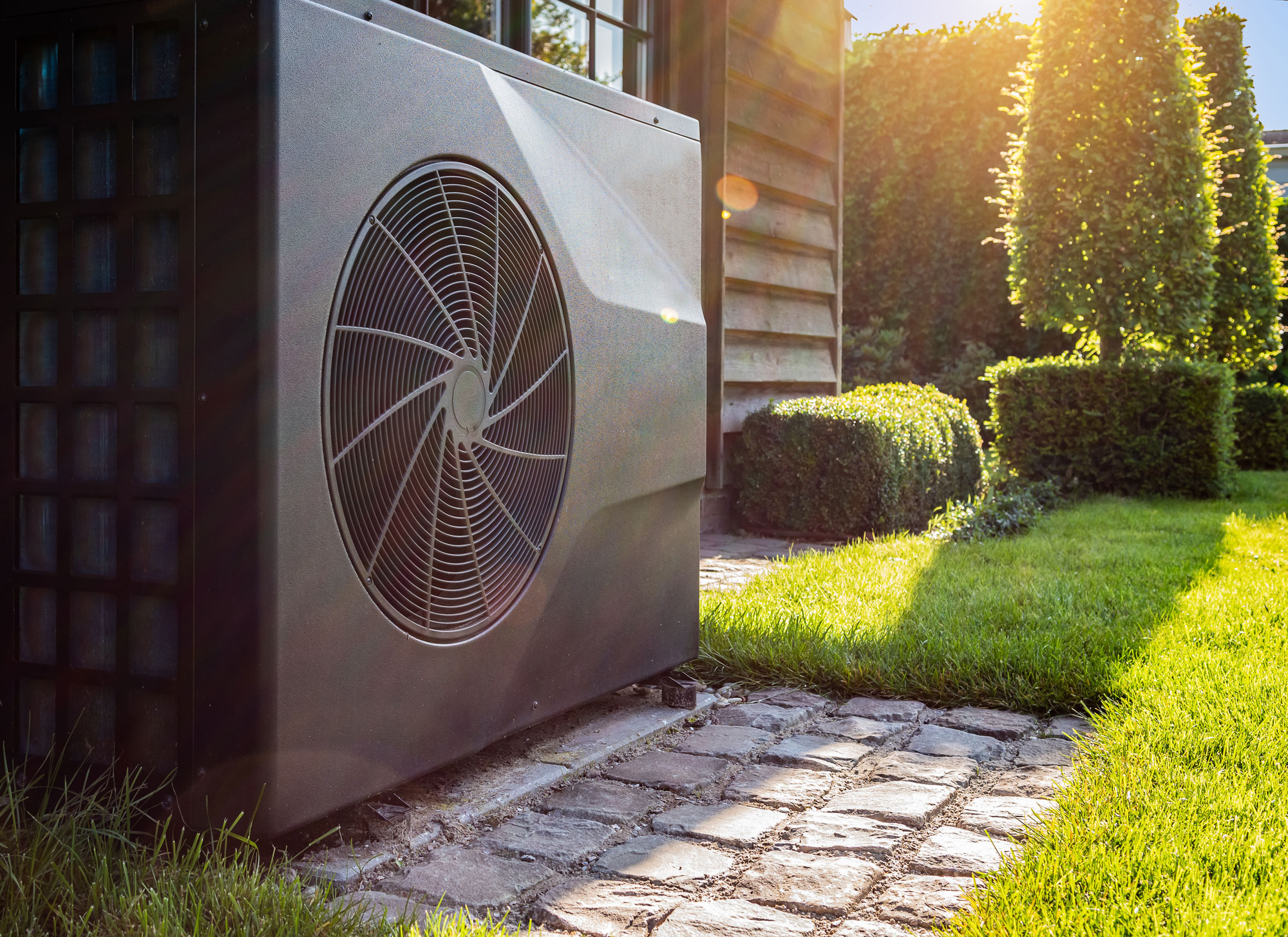
Air Source Heat Pumps (ASHPs) operate using technology similar to that of Ground Source Heat Pumps (GSHPs), but they utilize outside air as their energy source. In the UK, the outside air temperature rarely drops below -3°C. According to the second law of thermodynamics, heat, or energy, moves from areas of higher temperature to areas of lower temperature. The refrigerant used in the heat pump can boil at very low temperatures, around -30°C. This temperature difference between the outside air and the refrigerant generates energy that is transferred into the heat pump.
Advantages of Air Source Heat Pumps for Residential Homes
Air source heat pumps (ASHPs) provide numerous benefits for residential properties, especially regarding energy efficiency, cost savings, and environmental impact. Here are the main advantages of using air source heat pumps.
High Energy Efficiency
Efficient Heating and Cooling: Air Source Heat Pumps (ASHPs) provide both heating and cooling for homes while consuming significantly less energy than traditional electric or fossil fuel-based systems.
For every unit of electricity they use, ASHPs can generate 2 to 4 units of heating or cooling, making them highly efficient. Reduced Energy Consumption, by extracting heat from the outside air, ASHPs utilize a renewable energy source, leading to lower overall energy consumption compared to conventional heating systems.
Lower Operating Costs
Reduced Heating Bills: Air Source Heat Pumps (ASHPs) are highly efficient and can significantly lower heating costs, particularly when replacing electric, oil, or propane heating systems.
Eligibility for Incentives: Many governments offer rebates, grants, or tax incentives for installing ASHPs, making them more affordable and improving the return on investment.
Seasonal Savings: ASHPs provide both heating in the winter and cooling in the summer, eliminating the need for separate systems and potentially reducing maintenance and operational costs.
Environmentally Friendly
Reduced Carbon Emissions, Air Source Heat Pumps (ASHPs) generate fewer carbon emissions than traditional fossil-fuel heating systems, making them a more sustainable option.
Renewable Energy Source, By extracting heat from the air – an abundant renewable resource – ASHPs help decrease reliance on fossil fuels, support sustainability efforts, and contribute to the fight against climate change.
Year-Round Comfort
Heating and Cooling in One System: Air Source Heat Pumps (ASHPs) can provide both heating in the winter and air conditioning in the summer, delivering year-round comfort with a single unit. This dual functionality is particularly advantageous in areas with diverse seasonal temperatures.
Consistent Indoor Temperature: ASHPs offer steady and even heating, contributing to a more comfortable indoor environment without the temperature fluctuations often associated with traditional heating systems.
Air Source Heat Pump Maintenance Requirements
The maintenance requirements for an Air Source Heat Pump (ASHP) system are typically every 1-2 years. The filters can be removed and cleaned, and after this initial cleaning during the commissioning stage, it should not need to be repeated frequently. Other factors, such as regularly checking the pressure in the heating and/or brine circuits and ensuring the quality of the water, will affect the performance and longevity of these systems. This is similar to what is required for conventional heating systems. We recommend servicing the heat pump every 3 to 5 years.
Air Source Heat Pumps Frequently Asked Questions
How Is an Air Source Heat Pump Installed?
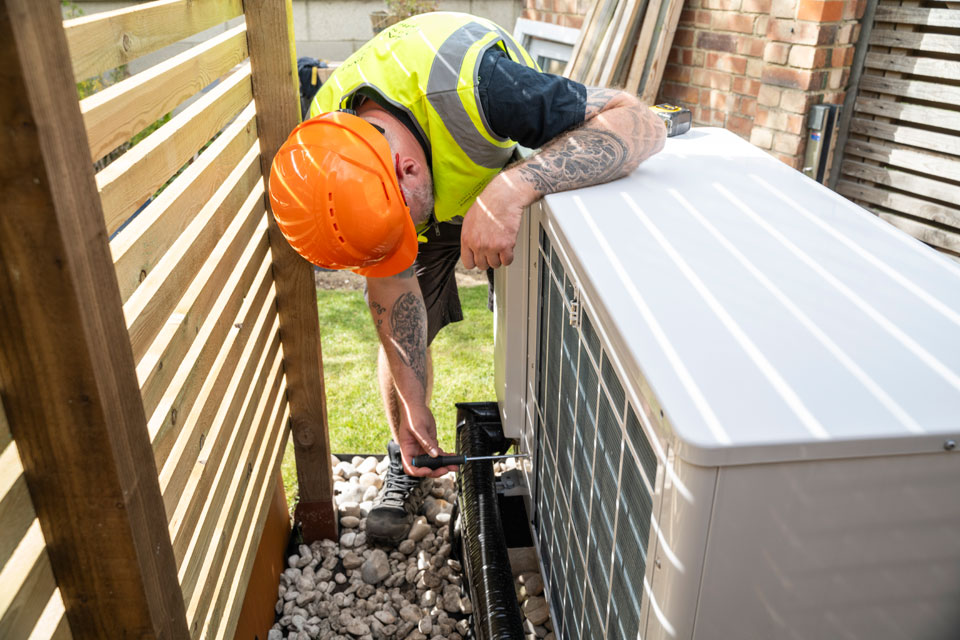
First, one of our technicians will assess your property to determine the best location for the unit, taking into account factors like airflow, aesthetics, and proximity to existing heating systems. Once the location is established, the technician will securely mount the outdoor unit on a concrete pad or brackets. Then, pipes filled with a refrigerant mixture are connected between the outdoor unit and the indoor heat pump unit. Electrical connections are made to power the system, followed by calibration and testing to ensure everything operates correctly. We will provide you with a demonstration and leave you with clear instructions on how to operate the system.
How Much Does an Air Source Heat Pump Cost?
The cost of installing an air source heat pump can vary based on several factors, including the size of the system. The average installation cost in the UK ranges from £6,500 to £11,500. After the initial investment, the energy savings from the system will outweigh the upfront cost of your heat pump installation.
What Is the Difference Between an Air Source Heat Pump and a Ground Source Heat Pump?
Air source heat pumps absorb heat from the air, while ground source heat pumps extract heat from the ground outside your home. Air source heat pumps are generally simpler and cheaper to install than ground source heat pumps, but they may be less efficient due to the temperature variations in the outdoor environment.
Are Air Source Heat Pumps Expensive to Run?
The yearly running costs of an air source heat pump typically range from £685 to £1,550. These costs can vary based on the size of your home and your household’s energy usage.
Can Air Source Heat Pumps Cool?
Cooling with heat pumps is possible, but for most people, it is a false economy. If you’re looking for a cooling system, we recommend standard air conditioning as a more effective way to cool a space.
How Noisy Are Air Source Heat Pumps?
All heating products produce some noise, but air source heat pumps are generally quieter than fossil fuel boiler flues.