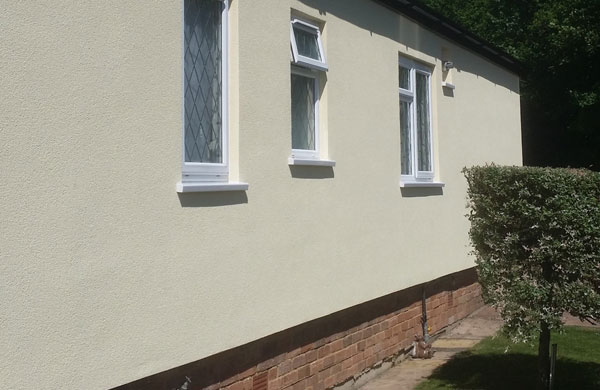
External Wall Insulation
External Wall Insulation (EWI) offers several practical and long-term benefits, particularly for buildings with solid walls or poor thermal performance. Here’s a breakdown of the main advantages:
Improved Energy Efficiency
- Reduces heat loss: By wrapping the building in insulation, less heat escapes in winter and less heat enters in summer.
- Lower energy bills: Improved thermal performance means reduced need for heating and cooling.
Enhanced Comfort
- More stable indoor temperatures: Rooms stay warmer in winter and cooler in summer.
- Reduced drafts and cold spots: Especially important in older buildings with solid walls.
Protection for Existing Walls
- Weatherproofing: Shields walls from wind, rain, and freeze-thaw damage.
- Prevents damp and condensation: Keeps the dew point outside the wall structure, reducing internal condensation risk.
Improved Aesthetics
- Modernized appearance: Old or damaged exteriors can be refreshed with a clean, attractive finish.
- Custom finishes: Various textures and colors (e.g., brick-effect, render, pebble dash) are available to suit different styles.
Increased Property Value
- Better Energy Performance Certificate (EPC) rating**: Makes the property more attractive to buyers or tenants.
- Long-term asset protection: Improves building longevity and reduces maintenance needs.
Minimal Internal Disruption
- Unlike internal insulation, EWI is installed entirely outside, so you don’t lose floor space or need to redecorate rooms.
Eligible for Grants or Funding (in some regions)
- Many governments or local councils offer financial incentives to improve building efficiency.
Things to Consider
- Cost: EWI can be expensive upfront, but savings often recoup the investment over time.
- Planning permissions: May be required in listed buildings or conservation areas.
- Wall condition: Existing walls must be in good condition or repaired before installation.
Contact Us
Today For a Free Quotation
T: 020 8064 1554
E: info@nulookinsulation.co.uk

External Wall Insulation For Houses & Bungalows